
- Cao took command of the top Navy civilian position in April
- He now oversees the service’s $377 billion budget
- Hear Cao’s plans for technologies like UUV and USV during his keynote at the 2026 Navy Summit on Aug. 24!
Few paths to Department of War leadership wind through a fishing boat in the South China Sea, a USAID compound in West Africa and the deck of a U.S. Navy dive platform in the Persian Gulf. But Hung Cao‘s did.
The retired Navy captain, 2026 Wash100 Award popular vote winner, decorated combat diver and former Senate candidate took command in the spring of one of the most consequential jobs in U.S national security: acting Navy secretary. It capped a journey that began as a child fleeing a collapsing Saigon and ended, five decades later, with him overseeing a $377 billion department and a fleet stretched by war in the Middle East and a rapidly modernizing rival across the Pacific.
Get the latest shipbuilding priorities, procurement reform and Navy investment priorities directly from Cao during his exclusive keynote at the 2026 Navy Summit on Aug. 24! Cao has been the driving force behind accelerated shipbuilding and Golden Fleet funding decisions. This is your chance to hear his strategy on building a hybrid fleet and unmanned underwater vehicles before your competitors. Few tickets remain for this highly-anticipated GovCon forum. Secure your seat today!
Who Is Hung Cao?
Hung Cao became acting Navy secretary on April 22 after previously serving as under secretary, the department’s number-two civilian post. A retired Navy captain with 32 years of service, Cao is a qualified special operations officer, explosive ordnance disposal officer and parachutist. He’s also an accomplished diver, surface warfare officer and a decorated combat veteran with multiple deployments to Iraq, Afghanistan and Somalia.
An abrupt departure by former Navy secretary and 2026 Wash100 Award winner John Phelan created a vacancy at the top. The White House didn’t look far. Cao’s résumé, equal parts warfighter, engineer and public servant, made him the administration’s obvious choice to steady the department during a period of real turbulence.
What Is Hung Cao’s Origin Story?
Hung Cao‘s global upbringing started far from the Pentagon’s corridors. He was born in Saigon, in what was then South Vietnam, in 1971, just a few years before the fall of the city would upend his family’s world.
When Cao came to the U.S. as a refugee in 1975 as part of the wave of Vietnamese refugees fleeing the collapse of South Vietnam, the Cao family didn’t settle immediately into American life. Instead, they relocated to West Africa, where Hung’s father took a position as a USAID agricultural specialist.
It was an unusual childhood for a future Navy secretary: a boy born amid the chaos of war in southeast Asia, raised for a stretch on a different continent altogether, absorbing a worldview far broader than most of his eventual Pentagon colleagues.
Cao came to Virginia at age 12 where his American story took firmer root. He graduated with the inaugural class of Thomas Jefferson High School for Science and Technology in Alexandria. “TJ” is one of the most competitive and highly-regarded schools in metropolitan Washington and a launching pad that sends graduates into the highest ranks of government, science and the military.
Fittingly for a man whose life has spanned continents, Cao is fluent in both French and Vietnamese. These languages trace the arc of his own biography, from colonial Indochina to the West African posting that shaped his adolescence.
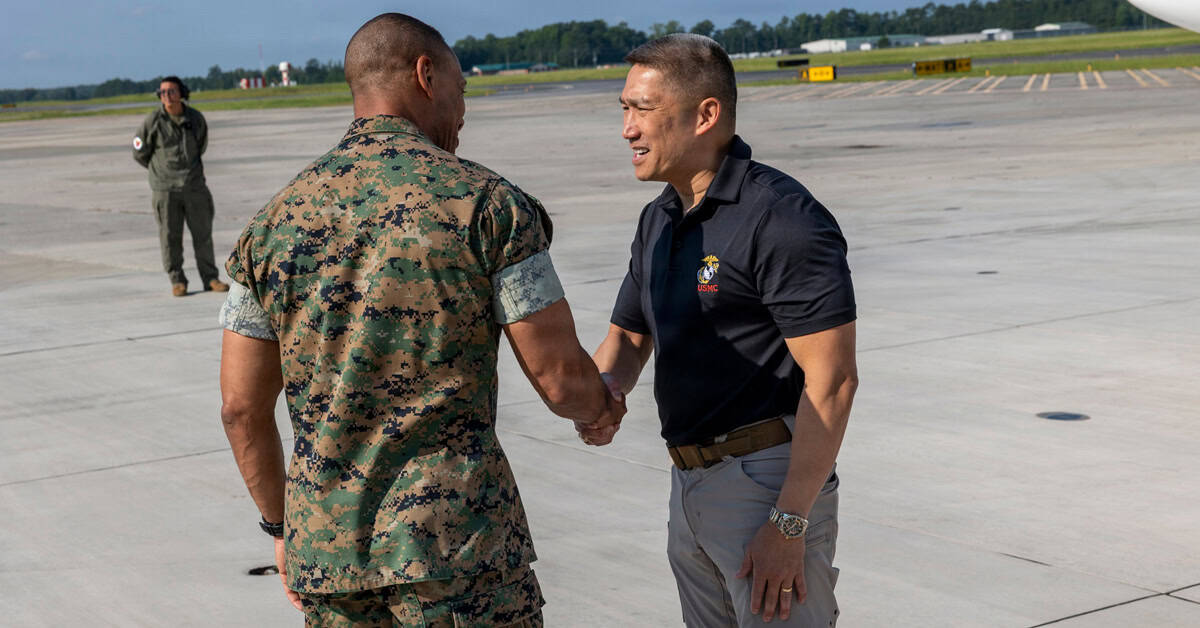
Dedicated Public Servant
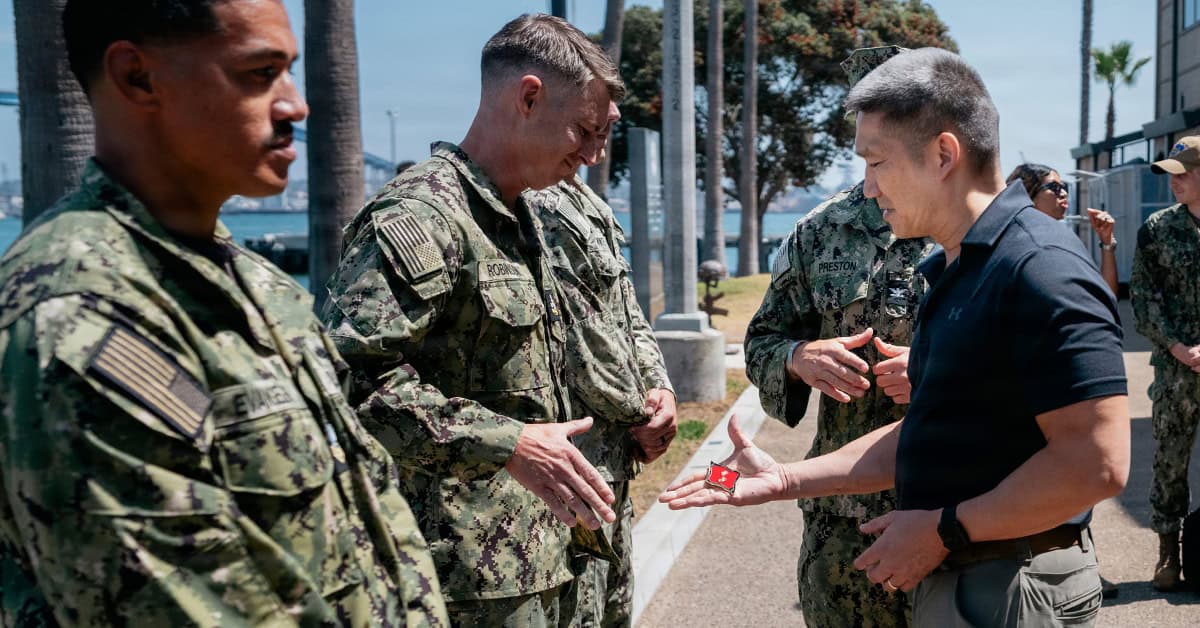
Hung Cao’s career in public service was forged in some of the most demanding corners of American special operations. As a Navy diver, he led underwater missions around the world, the kind of high-risk, technically exacting work that only a small fraction of sailors ever qualify for.
He then moved into an even more specialized and dangerous discipline as an explosive ordnance disposal officer, leading counter-improvised-threat missions in support of special warfare and special forces units. That work took him on multiple deployments to some of the most volatile theaters of the post-9/11 era.
His final tour of duty reflected just how far his portfolio had expanded beyond the diving locker. In that assignment, Cao led sensitive activities, exploitation, counter-messaging and counter-drone operations in direct support of geographic combatant commanders and U.S. Special Operations Command. This role placed him at the intersection of information warfare, unmanned systems and high-level strategic coordination, years before those disciplines became central to how the Pentagon thinks about modern conflict.
Get direct access to top naval decision makers following Cao’s exclusive keynote at the 2026 Navy Summit on Aug. 24. Meet leading contractors like Kpler Defense, primes, subs and emerging players all working the same Navy priorities, the kind of connections that turn into contracting success. A five-minute conversation at 2026 Navy Summit can accomplish what months of emails and LinkedIn messages can’t. Buy your ticket now!
Elite Navy Warfighter
Hung Cao is an elite Navy wafighter in a variety of ways. He graduated from the U.S. Naval Academy in 1996 with a bachelor’s degree in ocean engineering and was commissioned as a special operations officer, a rigorous and highly selective path from day one. He later returned to the classroom without stepping away from operational duty, earning a master’s degree in applied physics from the Naval Postgraduate School in Monterey, California, in 2008.
Taken together, Cao’s list of qualifications reads like a checklist of the Navy’s most demanding specialties, a body of operational experience that few, if any, of his predecessors in the secretary’s office have matched.
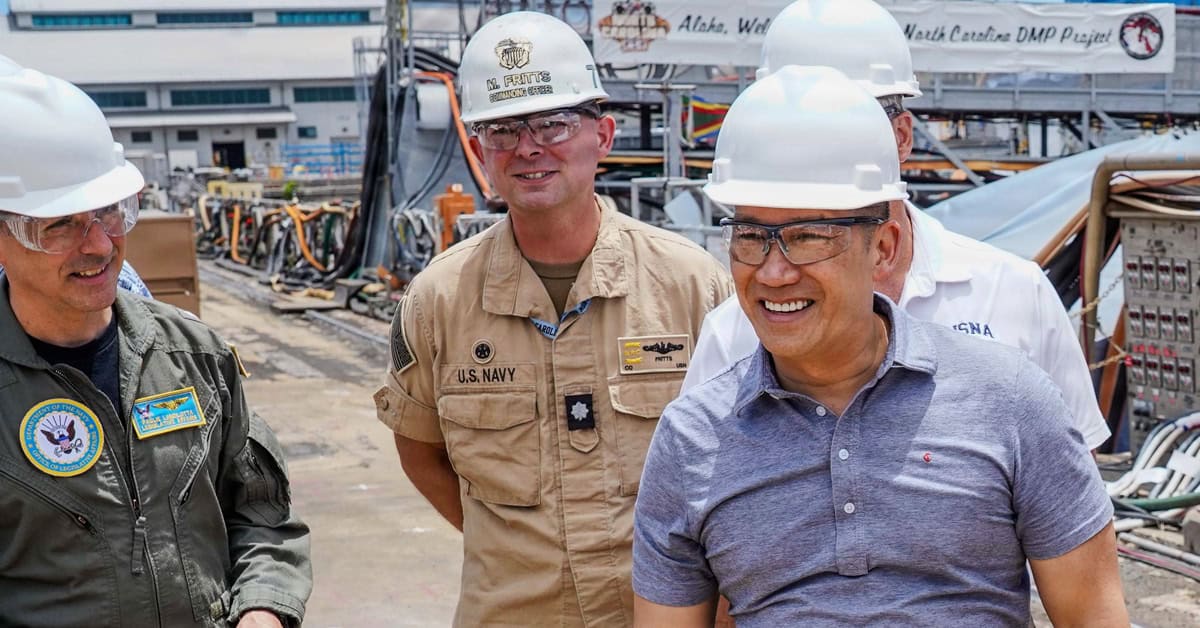
Why Is Hung Cao a Respected Naval Leader?
Hung Cao has built substantial credibility for being a quick study on shipbuilding, one of the Navy’s most persistent and politically fraught challenges, and for managing turmoil within the building at a moment when the service had unusual turnover at the top, Politico reported.
Senior administration officials describe him as a straight-shooter who carries the full support of the White House, a dynamic that matters enormously in a department where a secretary’s effectiveness often hinges on how much political capital he can spend.
That assessment extends to Capitol Hill. Rep. Rob Wittman of Virginia, a senior member of the House Armed Services Committee, offered a pointed endorsement of Cao’s readiness for the job.
“He’s very capable,” Wittman said. “Where he has been operating in the Pentagon, he had situational awareness of all the things that are going on. So he is well equipped to address the challenges ahead.”
Coming from a lawmaker who has spent years overseeing the Navy’s budget and readiness posture, that’s a meaningful vote of confidence. Particularly for a secretary who arrived at the job on an acting basis, without the luxury of a traditional confirmation runway to build relationships before the crises started.
The Pentagon’s own messaging has leaned into Cao’s biography and battlefield record as core to his qualifications for the post, CNN reported. In a statement to the news network, Pentagon spokesman Sean Parnell said Cao “brings battle-tested leadership to the Navy’s highest office” and that he “embodies the relentless grit and America First vision required to maintain America’s maritime superiority.”
It’s language that fuses Cao’s personal story—refugee, diver, bomb-disposal officer and veteran of three war zones—with the administration’s broader framing of naval power as a test of national resolve.
For a department navigating shipbuilding delays, sustained combat deployments and questions about troop welfare on ships at sea, Cao’s rise offers a case study in how operational credibility can translate into institutional trust. But few officials arrive at the secretary’s office having already proven themselves underwater, under fire and under pressure. In Cao’s case, all three came long before he ever set foot in the Pentagon’s front office.
What Is Hung Cao Doing Now?
Hung Cao is now guiding essential Navy technology programs like the MQ-25 Stingray unmanned aerial system. He approved the program to move into low-rate initial production on May 19, according to Breaking Defense. The system will mostly conduct refueling missions for carrier air wings.